DMS500 | Exhaust Particulate Analyser
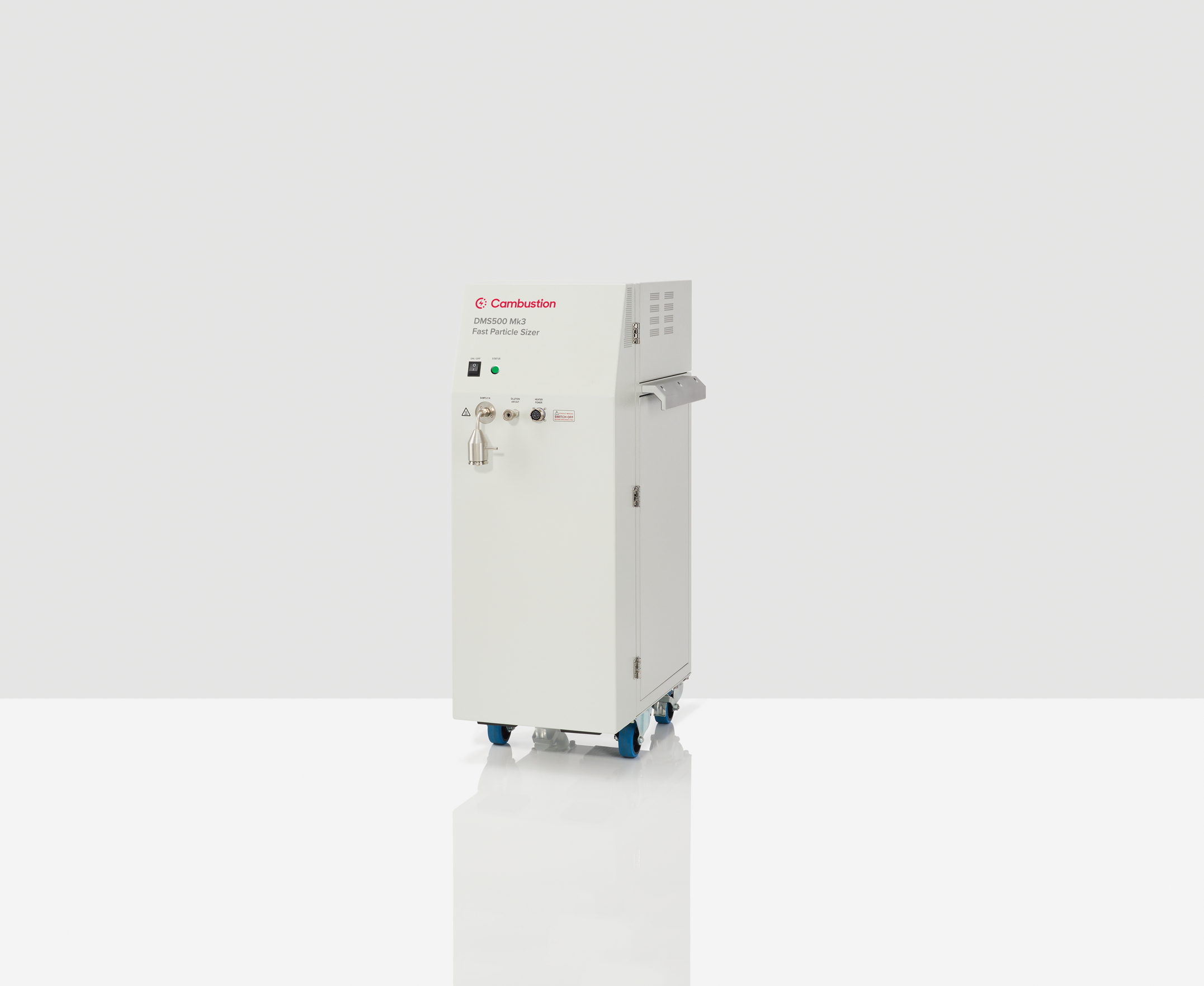
The DMS500 has established itself since 2002 as the particle measurement instrument of choice for engine research, development and calibration, with hundreds of customers worldwide including OEMs, Tier 1s and Universities. Successive generations of the DMS500 have offered improved capabilities and made the DMS500 the most dependable instrument in its class. With the forthcoming Euro 7 regulations having revised and tightened particulate compliance requirements, the DMS500 offers calibrators and researchers unrivalled real-time engine exhaust particle size, number and mass data to pinpoint and understand particulate emissions problems, even for sub-23 nm particles.
Flexible measurements – fit for future development
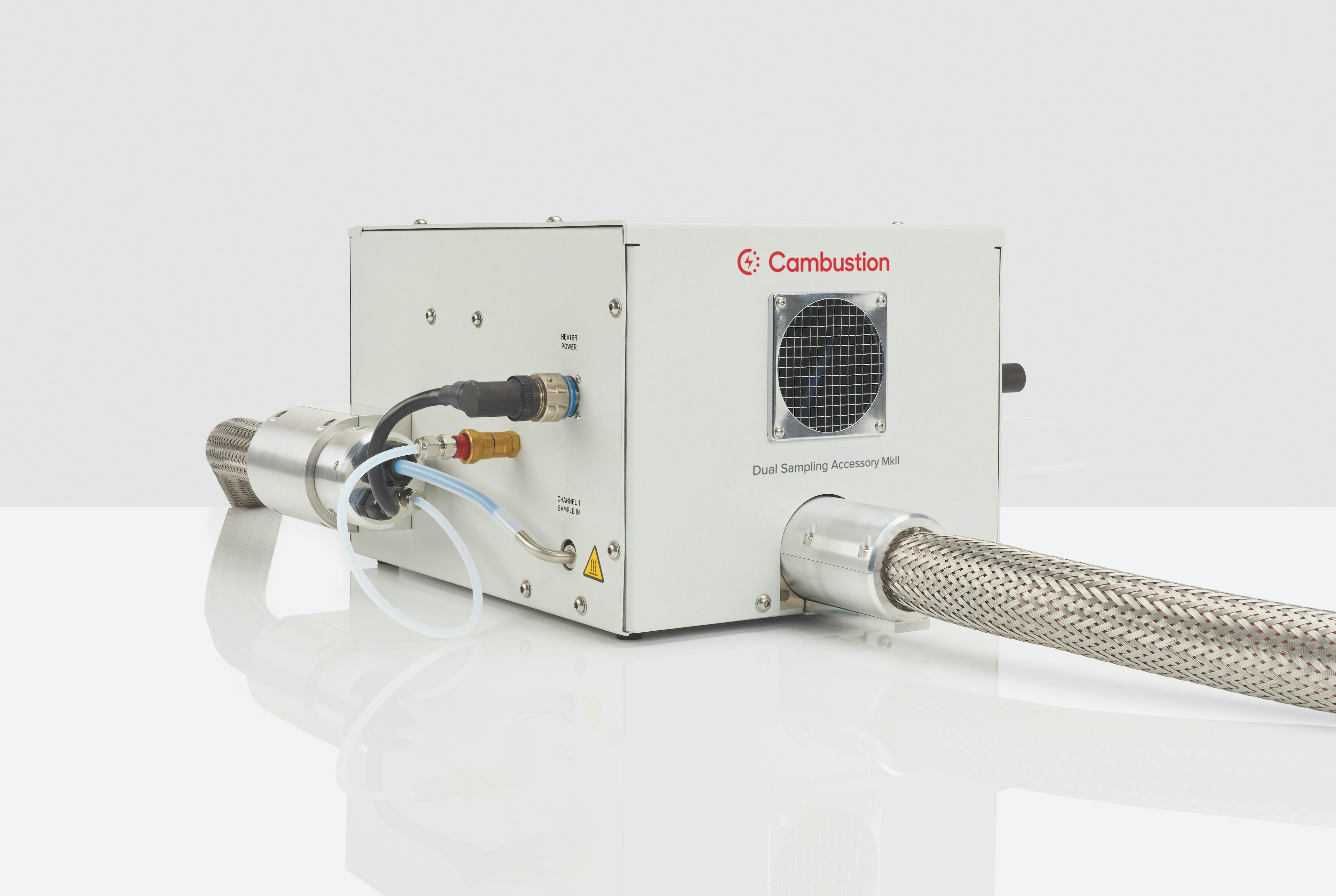
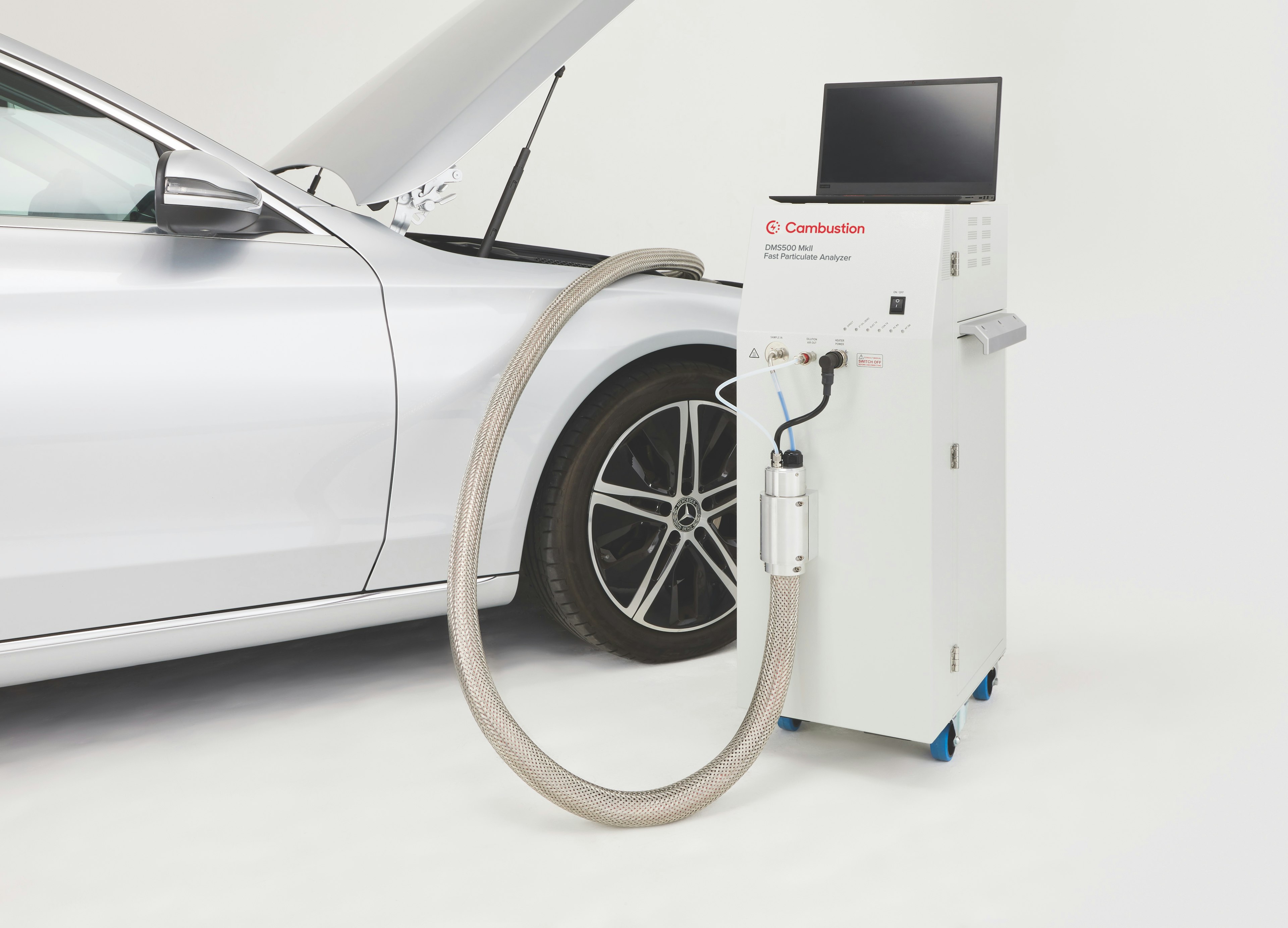
The DMS500 represents a "turn-key" system. The fully integrated dilution and sample conditioning system allows measurement from from the exhaust port, pre- or post- after-treatment, in the CVS tunnel and even from ambient.
10 Hz data and a T10–90% response time of just 300 ms even with a 7 metre sample line allow the DMS500 to offers valuable insights into engine operation, even during highly transient cycles such as RDE, NRTC and FTP75.
Particle Mass (PM) for gravimetric regulations including upcoming 1mg/mile and for engine out model development (e.g. DPF/GPF load models).
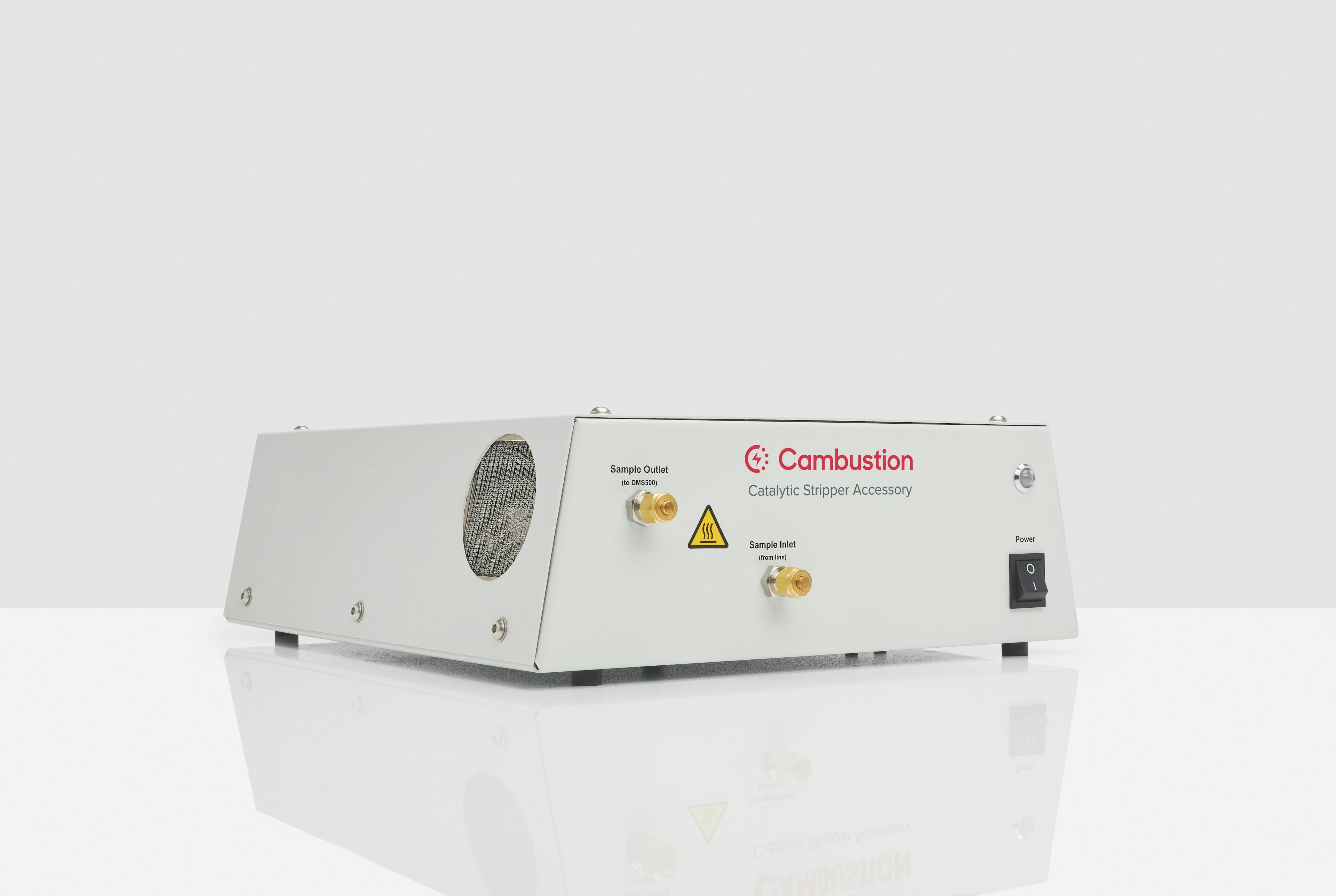
Particle Number (PN) with a fully characterised thermodilution system including a Catalytic Stripper to remove volatile particles when required. Flexible software allows measurements with a 23 nm roll off (Euro 6) or a 10 nm roll off (Euro 7).
Particle Size distributions (5 nm–2500 nm) for maximum understanding of combustion behaviour, particle formation and evolution, and the effects of engine controls on PN and PM.
Sub-zero testing capabilities for current and future cycles. The DMS500 can easily make measurements while sampling from ambient temperatures below 0 °C.

Developed for daily use – reliable results
Backed by over 20 years of continuous development, the DMS500 is straightforward to operate even for inexperienced users.
Dependable error detection and optional test cell integration allow the DMS500 to be seamlessly added as part of general test cell equipment.
A rapid transit time in the sample line keeps the solid particle losses low — these are automatically corrected for in software.
Traceable calibration certificates and automated checks guarantee accurate and repeatable results.
DMS500 Brochure
To learn more, download a brochure or contact Cambustion to discuss your application.
Key Application Notes
| Title | Data Type | Download File | Size | Last Updated | |||||
|---|---|---|---|---|---|---|---|---|---|
| Title | Number : Size Spectrum Correlation with Particulate Mass Measurements | Data Type | Application note | Download File | dms01.pdf | Size | 912.10 KB | Last Updated | |
| Title | Water pipe smoking | Data Type | Application note | Download File | dms22-water-pipe-smoking.pdf | Size | 954.24 KB | Last Updated | |
| Title | DMS500 Reproducibility and Accuracy | Data Type | Application note | Download File | dms21v01-dms500-reproducibility-and-accuracy.pdf | Size | 961.96 KB | Last Updated |
Need more information?
Support & downloads
DMS Diagnostic Tools
The DMS Diagnostic Tools are used for automated checks and troubleshooting.
DMS Series 64 Bit Excel Installer v7.49 (x64)
64 bit Excel 2010, 2013, 2016 are supported.
DMS Series 32 Bit Excel Installer v7.49 (x86)
32 bit Excel 2002, 2003, 2007, 2010, 2013, 2016 are supported.
The Cambustion DMS500 with CSA — the fastest way to measure engine particulate size & number
This video demontrates the ease of use of the DMS500 with CSA for making engine solid particle measurements for Euro 6 (>23 nm, PMP) or Euro 7 (sub 23 nm, down to 10) — with the fastest time response available.

DMS Animation
The DMS500 uses electrical mobility measurements to produce particle size / number spectra between 5 nanometres and 2.5 microns.
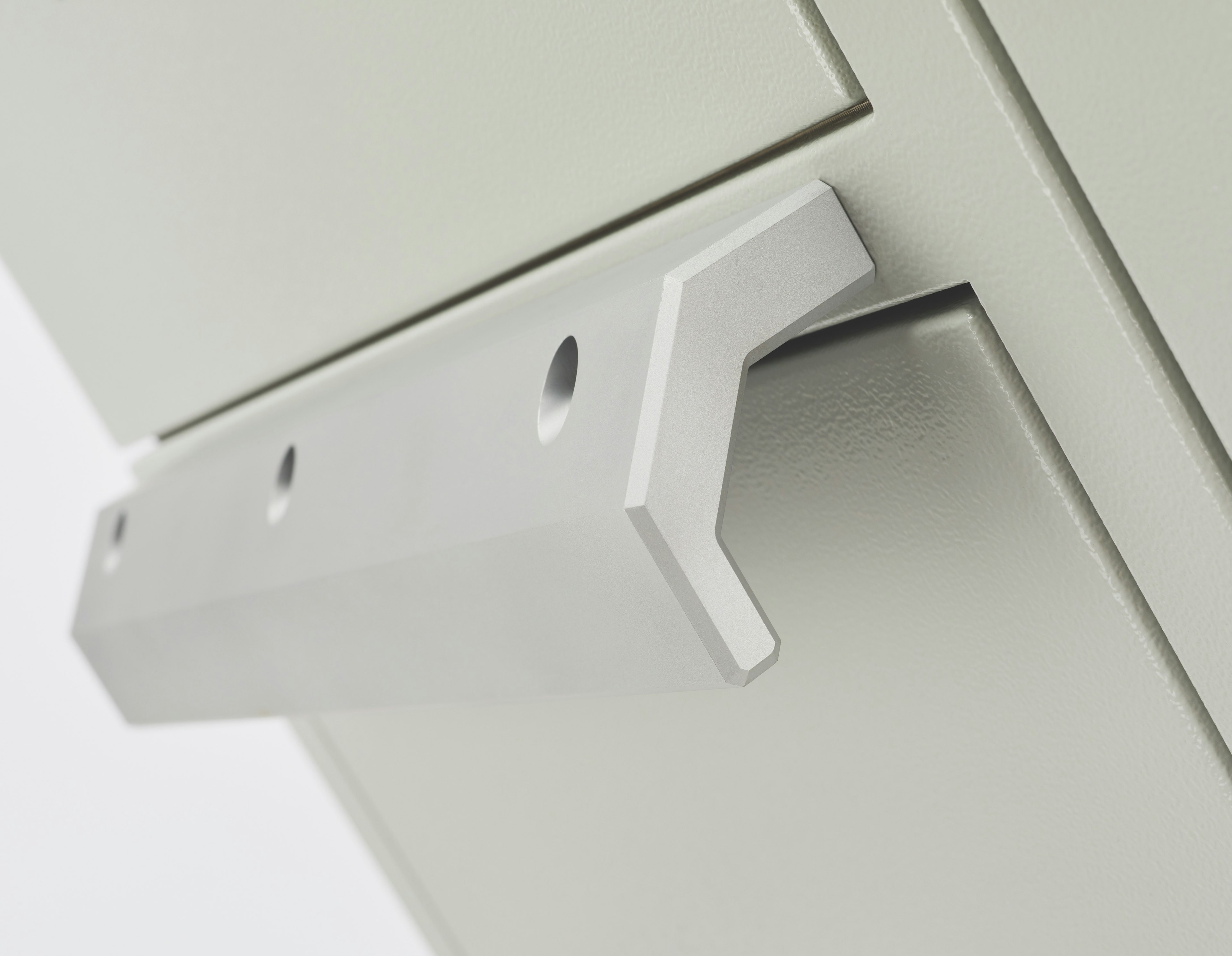
The DMS500 with CSA
A webinar given by Dr Jon Symonds on how the combination of the DMS500 with the Catalytic Stripper Accessory (CSA) gives the market leading fastest possible measurements of solid particulate size, number and mass, above or sub-23 nm, for Euro 6, Euro 7 and beyond.
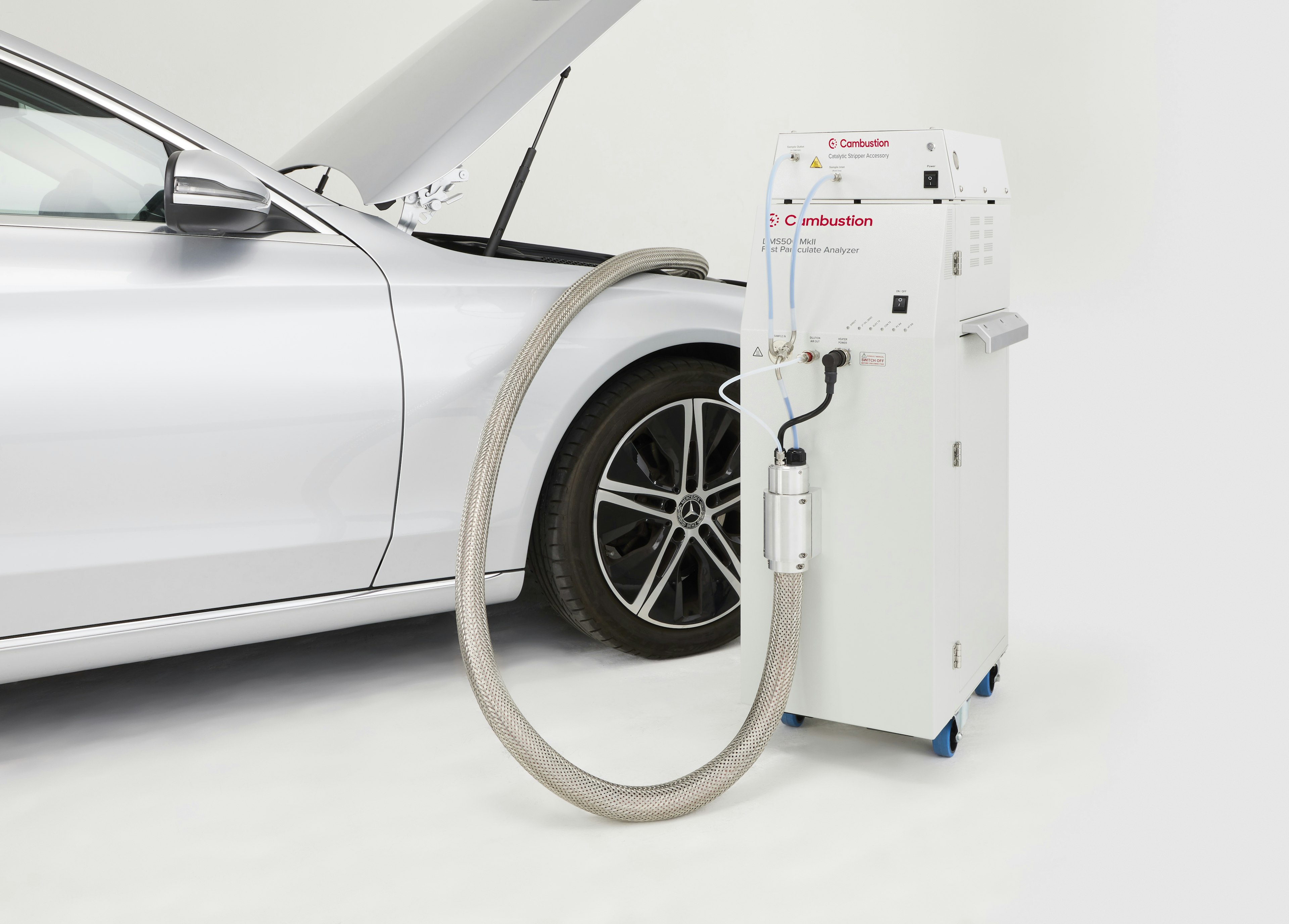
DMS500 Advantages
Advantages of the Cambustion DMS500 MkII Fast Particulate Analyser for Engine Emissions Measurements.